
Blog / Export readiness
A tender feed is not an export department.
Discovery answers one question: where is demand? A manufacturer still has to decide whether it can win, prove the answer, protect the economics, authorize the commitment and carry the order.
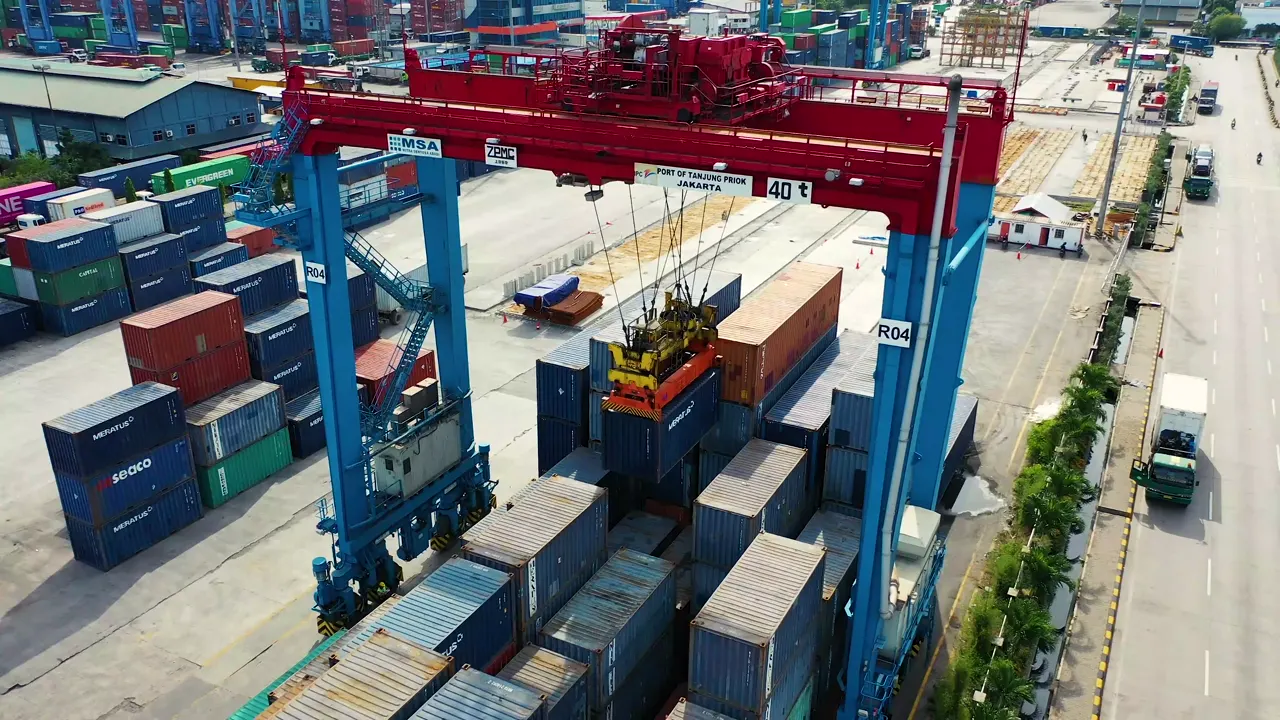
Institutional demand is not obscure. The United Nations publishes procurement opportunities through UNGM, and the World Bank maintains supplier guidance and opportunity notices. Access is necessary. It is not sufficient.
The commercial gap begins after discovery.
A notice has to be translated into the factory's real language: product, capacity, certificate, lead time, route, price and accountable owner. Eligibility can fail on one missing document. A compliant response can still destroy margin. A finished proposal can still be commercially unsafe if the wrong person approved a stale bundle.
That is why the ODIN X lifecycle starts at Discover but does not end there. The approved shorthand is Discover, Qualify, Prepare, Authorize, Submit, Fulfil. Underneath it sits the 13-stage commercial journey from evidence and pursuit strategy through delivery, CRM and learning.
Discovery creates an option. Commercial execution turns the option into a controlled decision.
The exporter needs continuity, not another inbox.
The useful operating asset is the record that survives across stages: demand source, requirement, evidence, scenario, owner, decision and outcome. When that lineage breaks, the team rereads documents, reopens settled questions and loses the reason behind a term.
ODIN X currently demonstrates opportunity qualification, evidence-gap work and controlled submission preparation. Transmission, negotiation and fulfilment remain intended scope until operating proof exists. The architecture is end to end; the demonstrated product boundary is stated separately.